
The monsoon season brings relief from the heat but also creates environmental conditions that can contribute to the spread of certain infections and illnesses. Increased humidity, standing water, fluctuating temperatures, and potential contamination of food and water can increase the risk of respiratory infections, mosquito-borne illnesses, gastrointestinal problems, and skin-related conditions.
Maintaining good personal hygiene, following healthy lifestyle practices, and taking appropriate preventive measures can help reduce these risks. By taking a proactive approach to seasonal wellness, individuals and families can better protect their health and enjoy the monsoon season with greater confidence.
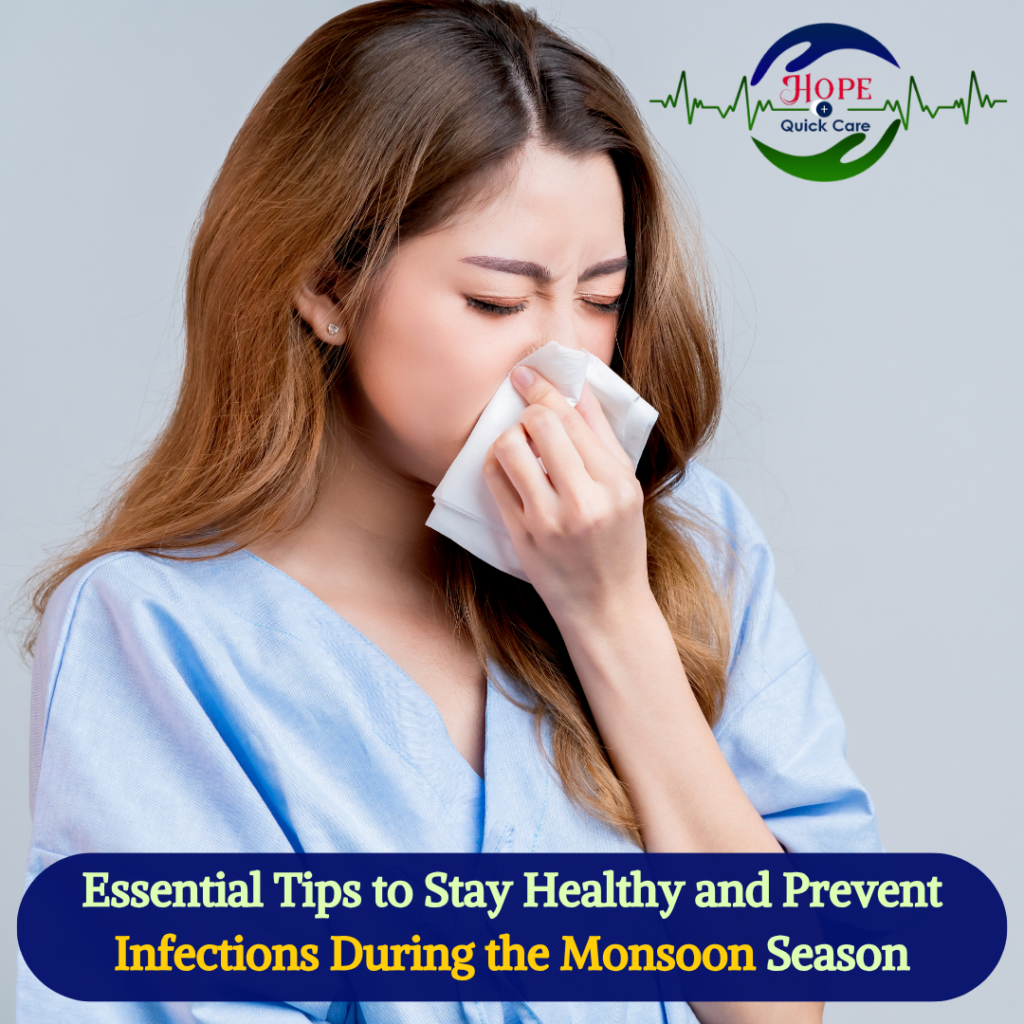
Here are some practical recommendations to help you stay healthy during the rainy season:
1. Strengthen Your Overall Health
- Maintain a balanced diet: Include fresh fruits, vegetables, whole grains, lean proteins, and other nutrient-rich foods to support overall health.
- Stay adequately hydrated: Drink sufficient clean and safe water throughout the day, even when the weather feels cooler.
- Prioritise quality sleep: Aim for approximately 7–8 hours of sleep each night to support recovery, energy levels, and overall well-being.
- Support healthy habits: Limiting highly processed foods and maintaining a consistent daily routine can contribute to better seasonal wellness.
2. Follow Good Hygiene Practices
- Wash your hands regularly: Use soap and water or an alcohol-based hand sanitiser, particularly before eating and after using the restroom.
- Avoid touching your face unnecessarily: Keeping your hands away from your eyes, nose, and mouth can help reduce exposure to germs.
- Maintain a clean environment: Keep your home and workplace clean, dry, and well ventilated.
- Prevent stagnant water: Remove standing water from containers, plant pots, drains, and other areas around your property to reduce mosquito breeding sites.
3. Be Careful About Food and Water
- Choose fresh, properly prepared food: Whenever possible, consume freshly prepared meals and ensure food is stored appropriately.
- Drink safe water: Use properly filtered, treated, or boiled water to reduce the risk of waterborne illnesses.
- Exercise caution with raw foods: Wash fruits and vegetables thoroughly before consumption.
- Avoid exposed or uncovered food: Food kept in unsanitary conditions may be more susceptible to contamination, particularly during humid weather.
4. Take Precautions Against Mosquitoes
- Use mosquito repellents: Apply an appropriate insect repellent when spending time outdoors or in areas with increased mosquito activity.
- Wear protective clothing: Long-sleeved shirts and full-length trousers can provide an additional physical barrier against mosquito bites.
- Eliminate breeding areas: Regularly inspect your surroundings and remove standing water where mosquitoes may reproduce.
- Use screens or nets where appropriate: These measures can provide additional protection, particularly during periods of increased mosquito activity.
5. Stay Dry and Protect Your Skin
- Change out of wet clothing promptly: Remaining in damp clothes for extended periods may cause discomfort and contribute to certain skin problems.
- Keep your feet dry: Moisture can create conditions that encourage fungal growth, so dry your feet thoroughly after exposure to rainwater.
- Use suitable footwear: Waterproof or water-resistant footwear can help protect your feet when travelling during heavy rainfall.
- Maintain skin hygiene: Regular cleansing and keeping skin folds dry can help minimise irritation associated with prolonged humidity.
6. Maintain Regular Physical Activity
- Stay active: Consistent physical activity can support overall fitness, energy, and well-being.
- Choose indoor workouts when necessary: During heavy rainfall or unsafe outdoor conditions, consider yoga, stretching, mobility exercises, or other indoor activities.
- Avoid overexertion: Listen to your body and allow adequate time for rest and recovery.
7. Monitor Your Health and Seek Medical Advice
Seasonal illnesses can sometimes begin with symptoms that may appear minor but can become more concerning if they persist or worsen. Pay attention to symptoms such as persistent fever, breathing difficulties, severe weakness, dehydration, prolonged cough, or other unusual changes in your health.
If symptoms are persistent, severe, or concerning, consult a qualified healthcare professional promptly. Early medical evaluation can help identify the underlying cause and determine whether further treatment or testing is required.
Stay Prepared for Monsoon-Related Health Concerns
Following preventive health measures can significantly contribute to a safer and healthier monsoon season. From maintaining personal hygiene and consuming safe food and water to controlling mosquito exposure and keeping your surroundings clean, small but consistent precautions can help minimise avoidable health risks.
However, it is important to remember that preventive measures cannot eliminate every risk. If you develop persistent or concerning symptoms, professional medical evaluation should not be delayed.
Hope Quick Care – Supporting Your Healthcare Needs in Lufkin
Hope Quick Care provides accessible healthcare services for individuals experiencing a range of non-emergency health concerns. During the monsoon season, common complaints such as sneezing, wheezing, sore throat, and body or muscle aches may require professional medical attention. The clinic also provides care for certain skin-related concerns that may occur or become aggravated by increased humidity and exposure to wet or contaminated environments.
Whether you are experiencing respiratory symptoms, muscle discomfort, skin irritation, or another non-emergency health concern, seeking appropriate medical guidance can help you understand the cause of your symptoms and identify suitable treatment options.
Hope Quick Care welcomes patients seeking convenient healthcare services in Lufkin. Patients may contact the clinic for information regarding appointments or visit the facility directly for available walk-in services.
For more information, visit www.hopequickcare.com or call (936) 299-4138.
Hope Quick Care
2109 East Denman Avenue
Lufkin, TX 75901